
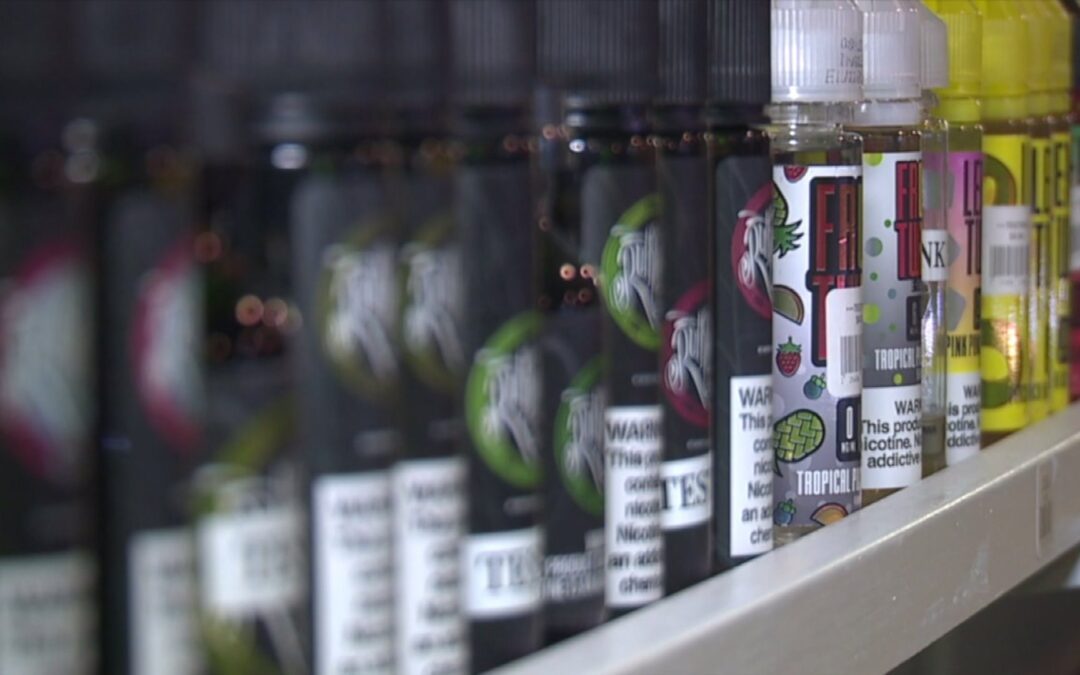
What began as a small niche market has grown into a visible part of communities across the South. Vape shops are no longer just retail spaces selling devices and e-liquids. They have become gathering places, cultural hubs, and centers of education. Their presence reflects not only changing consumer habits but also shifting conversations around alternatives to smoking and responsible use..
Catalysts of Cultural Change
A trusted vape shop serves as more than stores, they represent lifestyle shifts. The appeal comes from a mix of factors: vaping as an alternative to smoking, the wide range of flavors available, and the opportunity to customize devices. These shops attract younger demographics and help shape new social preferences. The atmosphere often feels more like a lounge or club than a retail outlet.
As a result, vape shops have played a role in redefining social norms within many Southern towns and cities.
- Encourage vaping as an alternative to smoking
- Offer extensive flavor and customization choices
- Help shape modern cultural and social preferences
Beyond Sales: Supporting Customers
The best vape shops go beyond transactions. Staff often guide customers through options, explaining product differences and safety considerations. For those new to vaping, this guidance is key in avoiding confusion or misuse. For experienced users, staff can offer insights into advanced devices and new product lines. Many customers rely on these interactions as much as the products themselves.
In this way, vape shops act as mentors and educators, not just retailers.
- Provide personalized advice for beginners and experienced users
- Offer guidance on safe vaping practices
- Help customers navigate a complex range of products
Community and Culture in Vape Shops
Vape shops often double as social spaces. Patrons gather to share experiences, test products, and exchange stories. Over time, this has built a subculture with its own language, style, and shared events. Local shops sometimes host meetups, contests, or flavor tastings, strengthening the sense of belonging. This cultural element sets vape shops apart from most retail experiences.
They function as community centers where individuality and connection meet.
- Encourage social gatherings centered around vaping
- Create a sense of belonging for enthusiasts
- Promote a unique subculture with shared customs

Educational Initiatives and Resources
Education is central to many shops’ missions. Responsible vaping requires knowledge, and shops often provide resources such as brochures, safety workshops, and product demonstrations. This proactive approach ensures customers understand how to use products properly and stay informed about trends. It also helps prevent misuse, supporting healthier habits overall.
By taking on this role, vape shops contribute to a safer, more informed community.
- Offer workshops on safe usage and device maintenance
- Provide printed and digital resources about products
- Promote responsible and informed consumer choices
Navigating the Regulatory Landscape
Operating a vape shop means staying current with evolving laws and regulations. Compliance protects both the business and its customers. Shops in the South must follow local and federal guidelines, from age restrictions to labeling requirements. Many also advocate for responsible vaping and participate in industry discussions. This commitment ensures safety and builds trust with their communities.
Compliance is not just survival, it’s part of the shop’s role in supporting responsible practices.
- Follow federal, state, and local laws around vaping products
- Promote responsible age-restricted sales
- Advocate for safety within the industry
Vape Shops in the Community
Vape shops in the Southern U.S. illustrate how retail can evolve into something more meaningful. They blend commerce with culture, education, and community-building. Their role goes beyond selling devices; they reflect a growing lifestyle. As vaping continues to change, these shops will remain central to shaping its direction in both local and broader contexts.
Their story is one of adaptation and influence, showing how a small niche can grow into an important cultural presence.
- Serve as more than retail outlets, cultural gathering spots
- Educate and empower patrons with knowledge and resources
- Build strong community ties within Southern towns and cities

Key Takeaways
Vape shops have developed into cultural and educational hubs throughout the South. They promote safe practices, encourage social connections, and adapt to regulations. Their contribution extends beyond business, influencing lifestyle and community dynamics.
- Act as catalysts for cultural change and lifestyle trends
- Provide guidance and mentorship for customers
- Create community through gatherings and events
- Promote education and safe vaping practices
- Ensure compliance with regulations while shaping industry standards
Frequently Asked Questions About Vape Shops
Why are vape shops popular in the South?
The combination of cultural trends, alternatives to smoking, and community-oriented spaces has made vape shops popular gathering points in many Southern communities.
Do vape shops only sell products?
No. While sales are central, many shops also provide education, resources, and support, turning them into community and cultural hubs.
Are vape shops regulated?
Yes. Vape shops must comply with federal and state regulations, including age restrictions and product labeling requirements.
Do vape shops host community events?
Many shops host events like product launches, flavor tastings, and meetups, which help build stronger local communities.
How do vape shops promote responsible practices?
They offer educational resources, guidance from knowledgeable staff, and compliance with regulations, encouraging safe and informed vaping habits.
- About the Author
- Latest Posts
Esmoke Vapors is the consumer’s choice for Vape Products in Louisiana and the Mississippi Gulfcoast. Opening its doors in 2013, the commitment first and foremost has always been to a culture of excellent customer service, a lost art in today’s retail space. That success led us into five retail locations all with unbeatable pricing and a great selection on the newest products the vaping industry has to offer.