
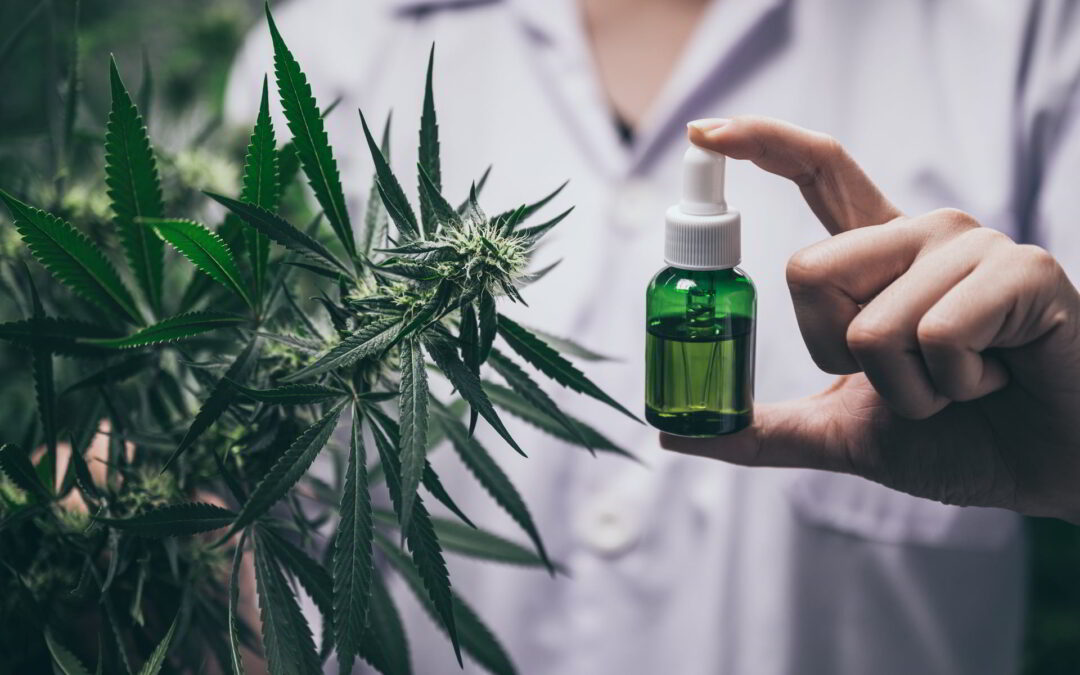
Cannabidiol, better known as CBD, is one of the most discussed compounds in the cannabis plant. Unlike THC, which produces a psychoactive effect, CBD is non-intoxicating and widely used for potential therapeutic purposes. It’s commonly extracted from hemp, a cannabis variety with naturally low THC levels. Today, CBD is available in oils, capsules, edibles, and topical creams, making it a flexible option for wellness routines.
This overview explores what CBD is, whether it causes a high, its safety profile, overdose risks, and how it differs from hemp seed oil.
What is CBD?
CBD is a naturally occurring cannabinoid found in cannabis. Its non-psychoactive properties make it appealing to those seeking benefits without altered mental states. Most commercial CBD comes from industrial hemp, where THC content is below 0.3% in compliance with U.S. federal regulations. Researchers continue to study CBD for a variety of potential health applications, from stress management to inflammation control.
- Non-intoxicating compound derived from hemp
- Extracted from leaves, flowers, and stalks of the plant
- Available in oils, capsules, edibles, and topicals
Can You Get High from CBD?
CBD does not cause the euphoric “high” associated with cannabis use. The psychoactive effect comes from THC, which is typically absent or present in trace amounts in hemp-derived CBD products. That means most CBD oils, gummies, or creams do not produce intoxication. This distinction makes CBD appealing for people who want therapeutic support without impairment.
Consumers should verify THC content through third-party lab testing to ensure they are purchasing compliant products.
- CBD lacks psychoactive properties
- THC, not CBD, causes intoxication
- Lab-tested hemp-derived CBD products contain minimal THC
Is CBD Oil Safe or Addictive?
Health organizations, including the World Health Organization, recognize CBD as generally safe. It carries no evidence of dependence or abuse potential. Unlike addictive substances that stimulate the brain’s reward system, CBD does not trigger dopamine surges associated with cravings. That said, CBD can interact with prescription drugs such as blood thinners, and it may cause mild side effects in some users.
Consulting with a healthcare provider is recommended before starting CBD, particularly for those taking other medications.
- Considered safe for most adults when used properly
- Not linked to addictive behaviors or dependence
- May cause drowsiness, dry mouth, or appetite changes

Can You Overdose on CBD?
No fatal overdoses from CBD have been reported. Extremely high doses may lead to temporary issues like nausea, fatigue, or dizziness, but these are not life-threatening. Studies suggest CBD has a wide safety margin compared to many common medications. Still, responsible dosing is encouraged, starting low and adjusting gradually as needed.
As with any supplement, moderation and medical guidance help ensure safe use.
- No evidence of fatal overdose from CBD use
- Very high doses may cause discomfort or fatigue
- Best practice is to start with a low dose
Are CBD Oil and Hemp Seed Oil the Same?
Although often confused, CBD oil and hemp seed oil are different products. CBD oil is extracted from the flowers, leaves, and stalks of the hemp plant, where cannabidiol is concentrated. Hemp seed oil, by contrast, is pressed from the seeds, which contain no CBD. Hemp seed oil is nutrient-rich, high in omega-3 and omega-6 fatty acids, and often used in cooking or skincare, but it does not offer the same cannabinoid-related effects as CBD.
Understanding this distinction helps consumers choose the right product for their needs.
- CBD oil contains cannabinoids from hemp plant parts
- Hemp seed oil contains nutrients but no CBD
- Both are useful but serve different purposes
Potential Health Benefits of CBD
Research into CBD is ongoing, but early findings suggest it may help with stress, sleep, and certain types of chronic pain. Unlike THC, it does not impair cognitive function, making it suitable for daytime use. Consumer demand for CBD products continues to rise worldwide, reflecting a growing interest in natural approaches to wellness.
While promising, CBD should be seen as complementary, not a replacement for medical treatment without professional guidance.
- Explored for calming and anti-inflammatory properties
- Considered by some as a sleep and relaxation aid
- Research is ongoing, with no definitive medical claims

CBD and Hemp Oils: Key Takeaways
CBD stands apart from THC by offering potential wellness benefits without intoxication. It is non-addictive, carries a low risk of side effects, and has not been linked to overdose. CBD oil differs from hemp seed oil, which is nutrient-rich but CBD-free. For safe use, choose high-quality products that are lab tested and seek guidance from healthcare professionals when needed.
- CBD is non-psychoactive and distinct from THC
- Generally safe, non-addictive, and low-risk
- No fatal overdoses have been reported
- CBD oil and hemp seed oil are not the same
- Use lab-tested products and consult healthcare providers
Frequently Asked Questions About CBD
Is CBD legal everywhere?
In the United States, hemp-derived CBD with less than 0.3% THC is federally legal, though some states impose additional restrictions. Regulations vary internationally.
Does CBD show up on a drug test?
Standard drug tests screen for THC, not CBD. However, trace amounts of THC in some products could trigger a positive result. Always choose lab-tested products labeled THC-free if this is a concern.
Can children use CBD products?
CBD has been studied for certain pediatric conditions, but use in children should only occur under medical supervision. Dosing and safety considerations differ from adults.
How long does CBD stay in your system?
CBD can remain in the body for two to five days, though this varies by metabolism, dosage, and frequency of use.
What should I look for when buying CBD?
Look for third-party lab testing, clear labeling of CBD content, and products made from U.S.-grown hemp. Avoid items without transparent ingredient information.
- About the Author
- Latest Posts

Esmoke Vapors is the consumer’s choice for Vape Products in Louisiana and the Mississippi Gulfcoast. Opening its doors in 2013, the commitment first and foremost has always been to a culture of excellent customer service, a lost art in today’s retail space. That success led us into five retail locations all with unbeatable pricing and a great selection on the newest products the vaping industry has to offer.